A Little Guide to Lentils
Five varieties. Different textures. Endless ways to nourish.
Lentils have earned a permanent place in my pantry. They’re simple, affordable, incredibly versatile, and one of my favorite ways to bring more plant-based nourishment to the table.
I use them in everything from creamy soups and warming one-pot meals to hearty salads and grain bowls. But I’ve learned that choosing the right lentil makes all the difference.
Some cook down into a beautiful, velvety consistency. Others hold their shape, adding texture and substance to a dish. And while they all belong to the legume family, they aren’t always interchangeable.
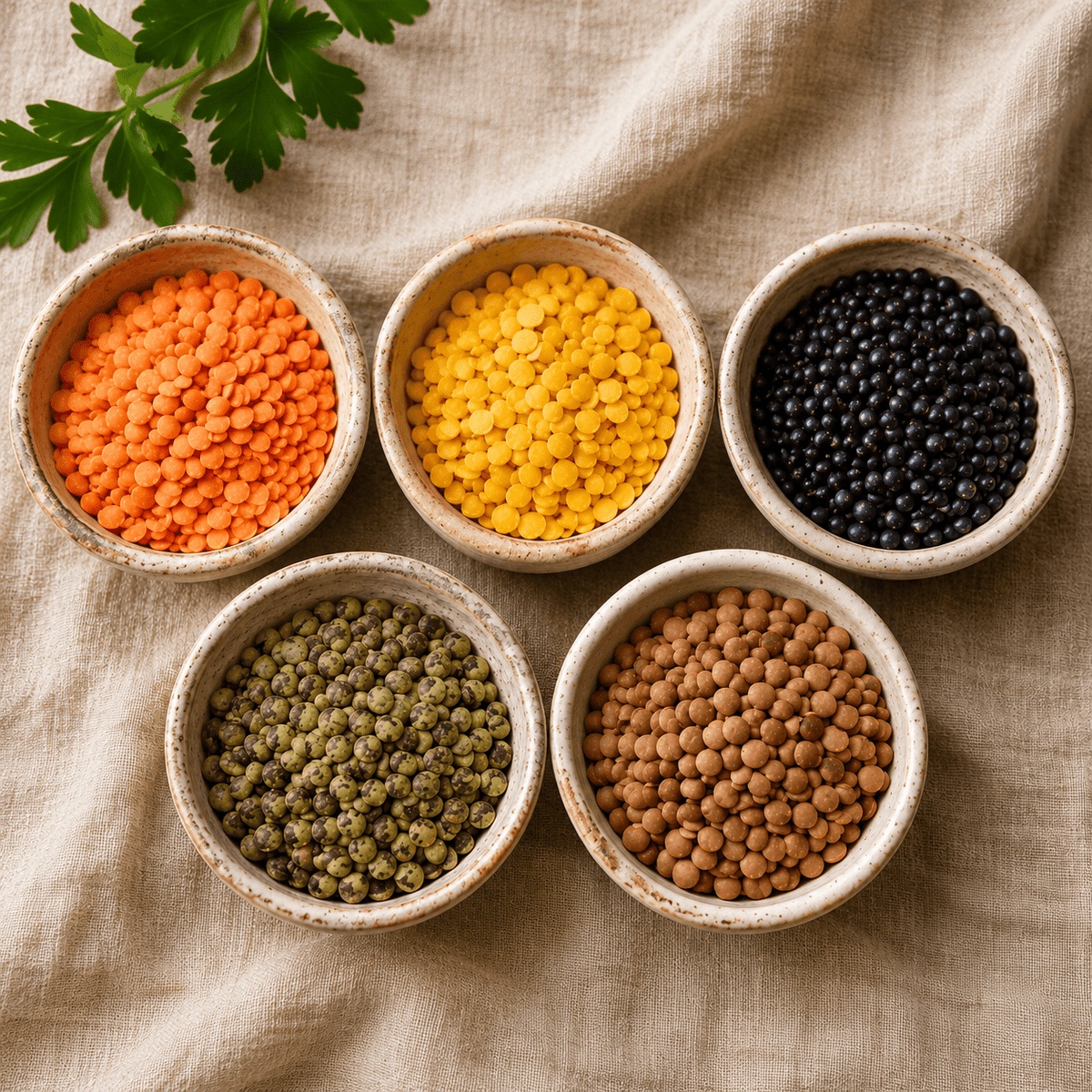
Here’s a little guide to the five varieties I reach for and how I like to use them.
1. Red Lentils
Soft, delicate & creamy
Cooking time: 10–20 minutes
Red lentils are one of the quickest-cooking varieties. Most are sold split and without their outer skins, which allows them to soften and break down beautifully.
They have a mild, slightly sweet flavor and create a naturally creamy texture without needing to blend anything.
Best for: Creamy soups, dals, curries, and one-pot meals.
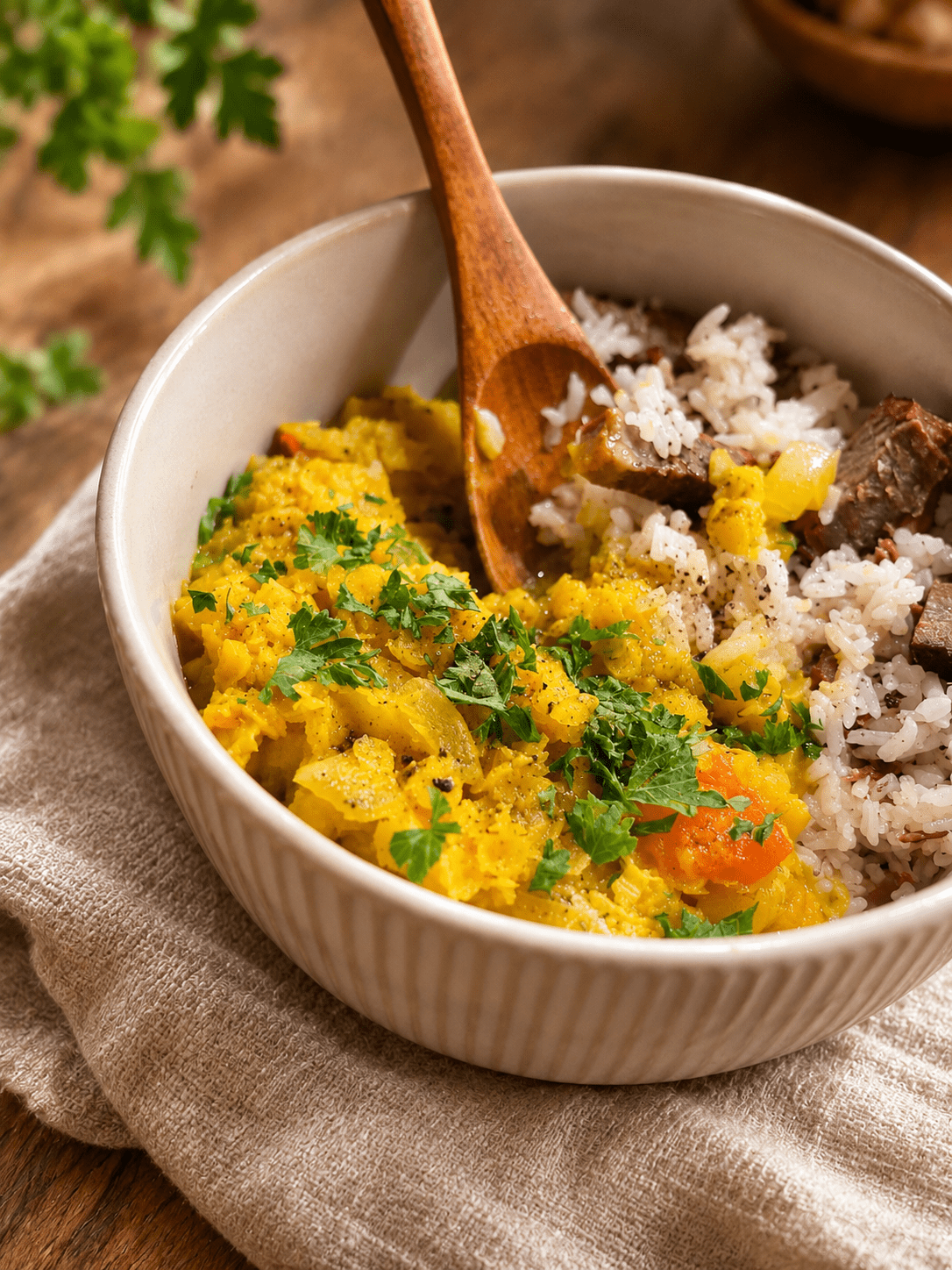
From my kitchen: These are my choice for Coconut Red Lentils with Ginger & Turmeric. They absorb the spices and coconut milk beautifully, creating a rich, comforting dish.
2. Yellow Lentils
Mild, buttery & comforting
Cooking time: 15–25 minutes for split yellow lentils
Yellow lentils have a delicate, earthy flavor and soften nicely as they cook. Like red lentils, split yellow varieties can become wonderfully creamy, making them ideal for dishes where you want a smooth, comforting texture.
Best for: Dals, soups, curries, and gently spiced vegetable dishes.
From my kitchen: I love pairing yellow lentils with turmeric, ginger, garlic, and warming spices. Their mild flavor makes them a lovely canvas for fresh herbs and citrus.
A little shopping note: Some legumes sold for yellow dal are actually split mung beans or yellow split peas. Check the package, as cooking times and textures can vary.
3. Green Lentils
Earthy, hearty & substantial
Cooking time: 25–40 minutes
Green lentils have a firmer texture and a slightly peppery, earthy flavor. Unlike red and yellow lentils, they generally hold their shape during cooking.
French green lentils, often called Puy-style lentils, are particularly good at keeping their structure.
Best for: Warm salads, grain bowls, soups, and roasted vegetable dishes.
From my kitchen: I love tossing cooked green lentils with extra virgin olive oil, lemon, fresh parsley, and roasted vegetables. They’re equally delicious warm or chilled.
4. Brown Lentils
Mild, tender & versatile
Cooking time: 20–30 minutes
Brown lentils are probably the most familiar variety and a wonderful everyday pantry staple.
They have a mild, earthy flavor and become tender while generally maintaining their shape if not overcooked. Simmer them longer, and they’ll begin to soften into a heartier, thicker dish.
Best for: Soups, stews, grain bowls, and vegetable-based meals.
From my kitchen: Brown lentils are wonderful simmered with onions, carrots, celery, garlic, and broth. A simple pot of lentil soup is one of the easiest ways to turn pantry ingredients into a satisfying meal.
5. Black Lentils
Firm, earthy & beautifully textured
Cooking time: 20–30 minutes
Often called beluga lentils because of their resemblance to caviar, black lentils are small, glossy, and wonderfully firm.
They have a deeper, earthy flavor and hold their shape exceptionally well, even after cooking.
Best for: Salads, grain bowls, roasted vegetables, and dishes where texture matters.
From my kitchen: I especially love black lentils with roasted squash, fresh herbs, lemon, and a little crumbled goat cheese. Their firm texture makes them a beautiful addition to a composed salad.
A Quick Lentil Cheat Sheet
|
Lentil |
Texture |
Best Uses |
|
Red |
Very soft, creamy |
Soups, dal, curry |
|
Yellow |
Soft, creamy |
Dal, soups, stews |
|
Green |
Firm, hearty |
Salads, grain bowls |
|
Brown |
Tender, versatile |
Soups, stews |
|
Black |
Firm, holds shape |
Salads, vegetable dishes |
Cooking times vary by variety, whether the lentils are split or whole, and their age.
A Little Nourishment
One reason I love lentils is how much nutrition they offer in such a simple ingredient.
Plant-Based Protein
Lentils provide a generous amount of plant-based protein, making them a satisfying addition to meals with or without meat.
Fiber for Digestive Health
Their fiber supports healthy digestion, helps nourish beneficial gut bacteria, and contributes to a feeling of fullness.
Iron & Folate
Lentils provide iron, which helps transport oxygen throughout the body, and folate, an essential nutrient involved in cell growth and function.
Steady, Lasting Energy
The combination of complex carbohydrates, protein, and fiber helps slow digestion and supports a more gradual rise in blood sugar compared with refined carbohydrates.
Naturally Rich in Plant Compounds
Lentils contain polyphenols and other beneficial plant compounds. Darker varieties, particularly black lentils, also contain pigments called anthocyanins.
While the varieties differ slightly in their nutritional profiles, all five are nourishing choices.
A Few Things I’ve Learned About Cooking Lentils
Rinse before cooking. Give lentils a good rinse under cool water and check for any small stones or debris.
No soaking required. Unlike many dried beans, lentils generally don’t need to be soaked before cooking.
Choose your texture. Red and split yellow lentils are wonderful when you want something creamy. Green and black lentils are better when you want the individual lentils to remain intact.
Season thoughtfully. Lentils absorb flavor beautifully. Garlic, onions, ginger, herbs, spices, broth, and a little lemon can transform even the simplest pot.
Keep an eye on the liquid. Lentils continue absorbing liquid as they cook and cool. Add a splash of broth or water when reheating if needed.
A Note from Natalie
Over the years, the way I cook has become less about following complicated recipes and more about understanding ingredients.
What they bring to the table. How they work together. How they nourish us.
Lentils are a perfect example. Five different varieties, each with its own texture and personality, and so many ways to prepare them.
I believe eating well begins with knowing your ingredients and keeping good food within reach. A stocked pantry, a few fresh vegetables, and a little creativity can go a long way.
Good food doesn’t have to be complicated. It simply needs to be made with care.
From my table to yours.
Love + Be Well,
Natalie