Article: The Home We’ve Lived In All Along
The Home We’ve Lived In All Along
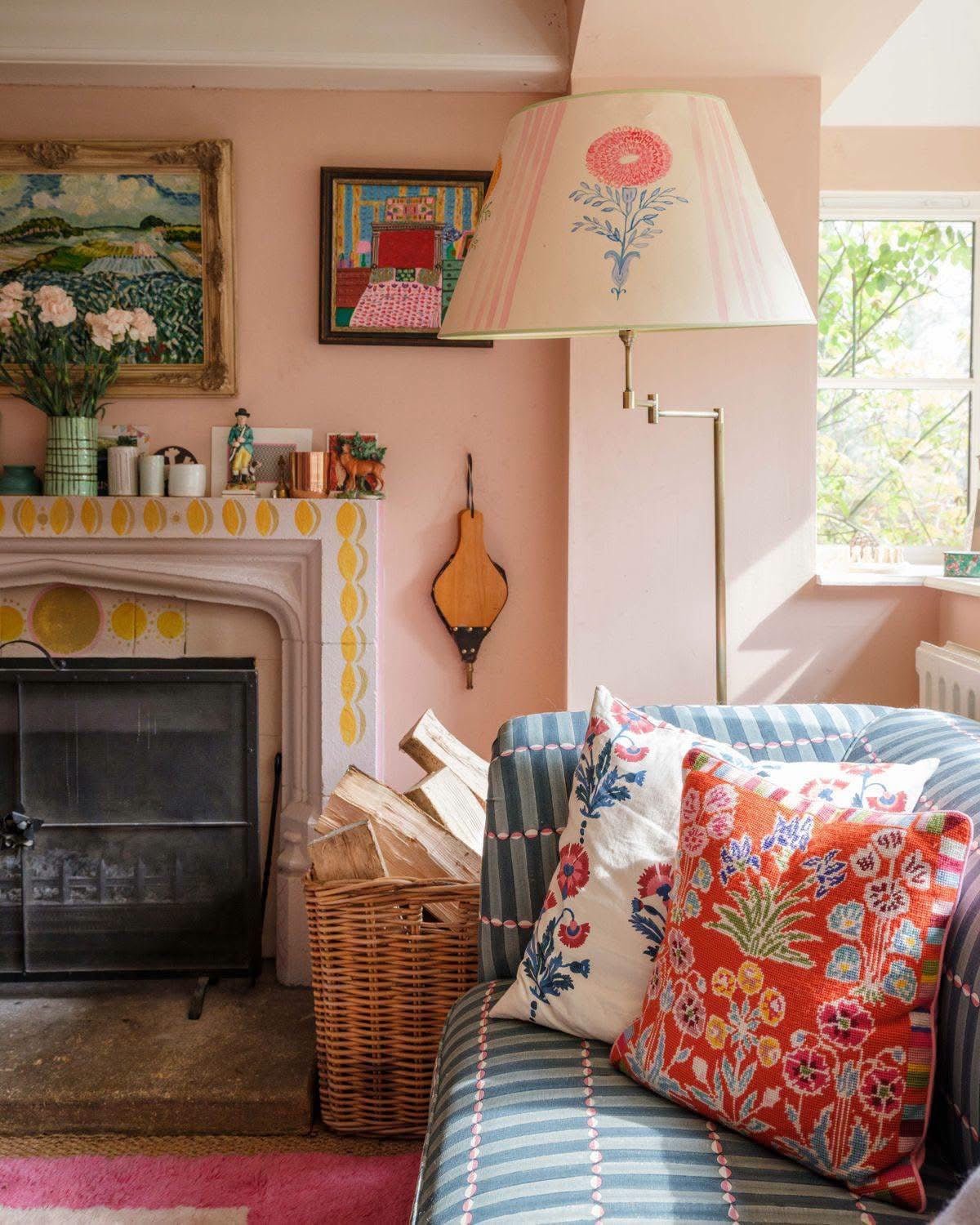
I’ve always loved homes with a little history. The kind with worn wooden floors, imperfect walls, and rooms that feel as though they’ve held a thousand conversations. There’s something beautiful about a home that’s been lived in. Not staged. Not perfectly preserved. Just loved.
I think about the homes we spend our lives creating. How much of ourselves we pour into them. We choose the furniture, tend the gardens, paint the walls, and fill the rooms with things that mean something to us. And then we fill them with life. Children growing up. Birthdays around the table. Friends lingering in the kitchen long after dinner. Quiet mornings with coffee. Difficult conversations. Celebrations. Heartbreak. Healing.
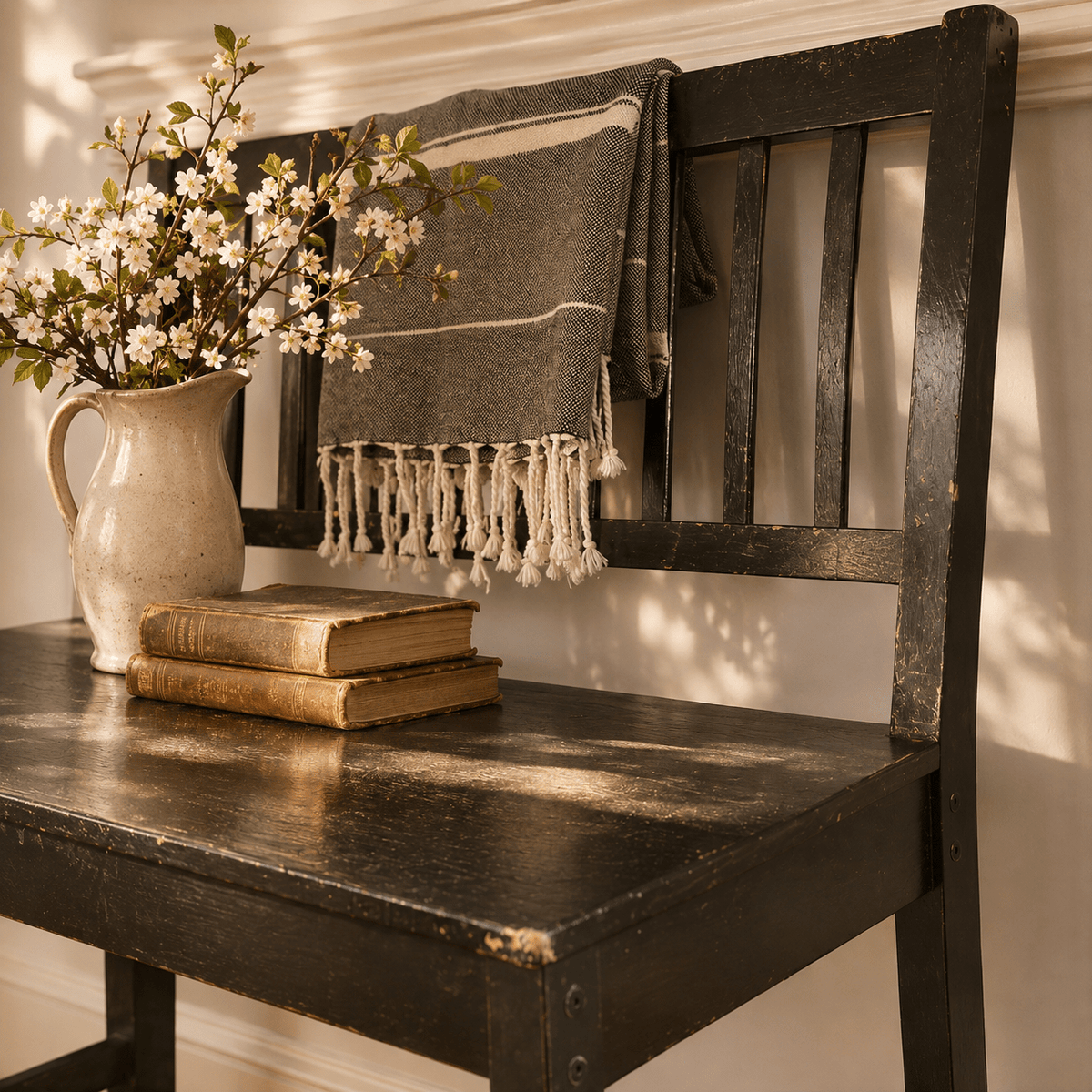
Years pass, and the home begins to change. The floors aren’t quite as smooth. The walls carry little marks. The sunlight has faded the fabric on a favorite chair. There might be a scratch on the floor from a dinner party or a mark on the doorframe where we measured our children’s height. And somehow, those are the things that make it ours. We don’t look at those imperfections and suddenly decide the home is no longer beautiful. We remember how they got there. We smile at some of them.
We repair what needs repairing. We freshen the paint, tend to the things that have worn with time, and make changes as our lives evolve. But we don’t expect our home to look exactly as it did the day we moved in. At least, most of us don’t.
And lately, I’ve been thinking about how differently we treat ourselves. More specifically, the skin we’ve spent our entire lives living in.
It’s interesting, isn’t it? We can walk into a hundred-year-old home and admire every bit of its character. The weathered wood. The softened edges. The evidence of generations who have lived and loved within its walls. We call it beautiful. But when we look in the mirror and see the evidence of our own years, we often see something entirely different. Lines around our eyes. Spots on our hands. Skin that has softened and changed. Suddenly, the very things we celebrate in a home become the things we criticize in ourselves.
And I wonder when that happened. When did we begin believing that our skin was supposed to remain untouched by the life we’ve lived?
I think about my own skin. The skin I had as a young girl. As a teenager. As a young mother. The skin that has carried me through raising three children, through illness and healing, through beautiful seasons and some very difficult ones. It’s all the same skin. And yet, of course, it doesn’t look the same. Neither do I.
I’ve changed in a thousand ways over the years. Some visible. Many not. And I wouldn’t trade the woman I’ve become just to have the skin I had at twenty-five. So why would I look at the changes in my face as though they’re something to regret?
I don’t always have a perfect answer to that. I think even when we believe deeply in aging gracefully, we can still catch ourselves looking a little too closely in the mirror. Noticing something new. Comparing ourselves to an earlier version. We’re human. And we’ve spent decades being told that younger is better. That every line needs softening. Every spot needs correcting. Every sign of age needs an answer.
But I don’t believe our skin is a problem to solve. I believe it’s something to care for. And there’s a difference.
When we love a home, we maintain it. We protect it from the elements. We give it attention. We make repairs when they’re needed. Not because we hate that it’s getting older, but because we want it to remain a beautiful, healthy place to live. Why shouldn’t we approach our skin the same way?
As I’ve gotten older, my skin has needed different things from me. More nourishment. More moisture. More gentleness. A little more attention to what I put on it and how I care for it. And I think that’s perfectly natural. We change. Our needs change. Our rituals should change with us.
It’s a large part of why I created Love + Be Well. I wanted skincare to feel like nourishment, not correction. I wanted women to understand that caring for their skin could be an act of appreciation rather than an endless attempt to reverse time. That we could want healthy, glowing, beautiful skin without wanting to erase the years we’ve lived in it.
Because those years matter. The laughter matters. The tears matter. The summers in the sunshine. The long nights. The motherhood, the friendships, the challenges, the healing. All of it. And yes, some of it has left its mark.
But I don’t want to spend the second half of my life resenting the evidence of the first.
I want to care for what I have. To nourish it. Protect it. Appreciate it. Much like that beautiful old home, I want to make thoughtful improvements when they’re needed, while never forgetting what made it beautiful in the first place.
I think we could all use a little more of that perspective. A little less criticism when we look in the mirror. A little more gratitude for the body that has carried us this far. And perhaps a reminder that aging doesn’t mean we’re becoming less of something. We’re becoming more of who we are.
I often talk about coming home to yourself. And maybe this is part of what I mean. Learning to feel comfortable in the skin you’re in. Not the skin you had twenty years ago. Not the skin someone is trying to sell you. The skin you have today, with all its history, its changes, and its beautiful imperfections.
After all, we don’t stop loving a home because it’s been lived in. Perhaps it’s time we stopped doing that to ourselves.
With love,
Natalie
The Skincare Chef™
Love + Be Well